
The Edge of Weird
March 2026 is moving beyond the "smart" era and into the strange. These are the hardware dispatches currently shifting the cultural needle.
01. The Auditory Edible
Lollipop Star has debuted a candy that bypasses the air entirely. Using bone-conduction audio built into the stick, it sends vibration through the teeth and into the inner ear, turning a disposable sweet into a private listening device.
What makes it feel new is not fidelity but format. This is not a speaker, not exactly a wearable, and not quite a toy. It is a single-use media object that collapses snack, novelty, and haptic sound into one weird little cultural artifact.

02. Domestic Evolution
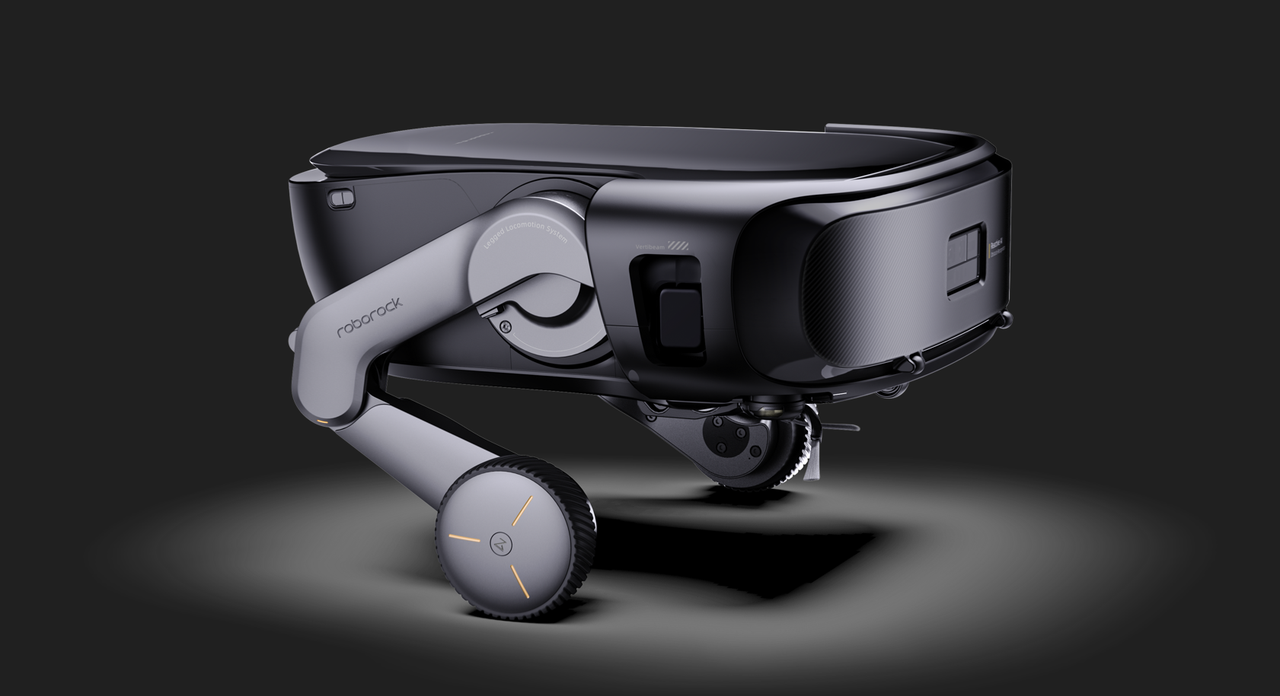
The Roborock Saros Rover tries to solve the staircase by replacing the passive wheel with something closer to a robotic limb. Its wheel-leg architecture lets it lift, balance, and climb in ways that make the familiar robot vacuum suddenly feel under-evolved.
For years, home robotics has been trapped on flat ground. The Saros Rover breaks that assumption. It turns the multi-level home from an obstacle course into a navigable space, nudging the category away from appliance logic and closer to autonomous domestic mobility.
03. Digital Aesthetics
iPolish is bringing digital behavior to beauty hardware. Its press-on acrylics pair with a phone-driven system to change color on demand, making the manicure less like a finish and more like a programmable interface.
That shift matters. Nails have usually been treated as static decoration, but iPolish frames them as updateable surfaces. It is a small but revealing example of how fashion accessories are drifting into the logic of devices: customized, refreshed, and controlled in real time.

04. Screenless Computing
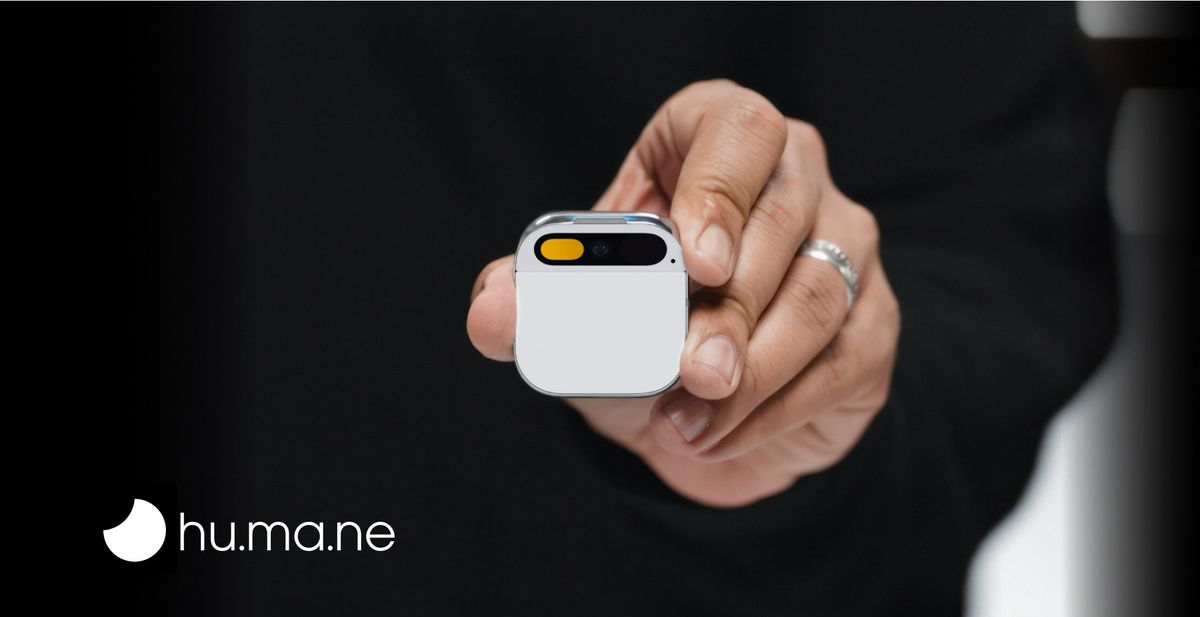
Humane’s Ai Pin represented one of the clearest attempts to move computation off the rectangle and onto the body. Rather than asking for more screen time, it proposed voice, gesture, and palm projection as a new operating surface.
Whether or not the category survives in its original form, the underlying impulse still matters. Devices like this point toward a future in which interaction is ambient, glanceable, and distributed through space instead of trapped inside a slab of glass.
05. Transparent Tech
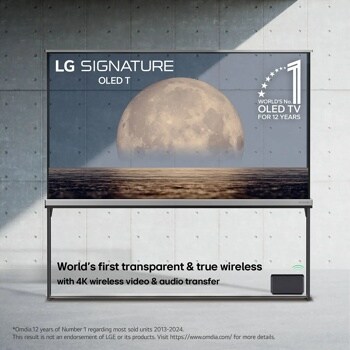
LG’s Signature OLED T turns the television into architectural glass. Transparent when it wants to disappear and cinematic when it wants to dominate, it treats the display less like furniture and more like a shifting layer inside the room.
That is the real provocation here. The black rectangle has been one of consumer electronics’ most visually stubborn objects. LG’s answer is not merely a better TV, but a screen that negotiates with space, décor, and absence in a way conventional displays never have.

06. Hyper-Reality
Pimax Crystal pushes VR toward a level of clarity that starts to feel less like simulation and more like optical insistence. Its appeal is not subtlety. It is a headset built around the idea that immersion can be engineered through sheer visual density.
That makes it a useful symbol for where immersive hardware is going. The dream is no longer just virtual presence, but hyper-presence — headsets that sharpen digital space until reality and rendering begin to blur at the edges.
07. Analog Futurism
Teenage Engineering’s TP-7 is a recorder that feels like it arrived from a more elegant timeline. It combines physical controls, sculptural industrial design, and high-end audio utility into something that looks as collectible as it is functional.
Its significance is bigger than dictation or field capture. The TP-7 reminds us that people still want machines with texture, ritual, and mechanical pleasure. In a culture of flattened interfaces, tactility itself has become futuristic again.

08. Portable Infrastructure
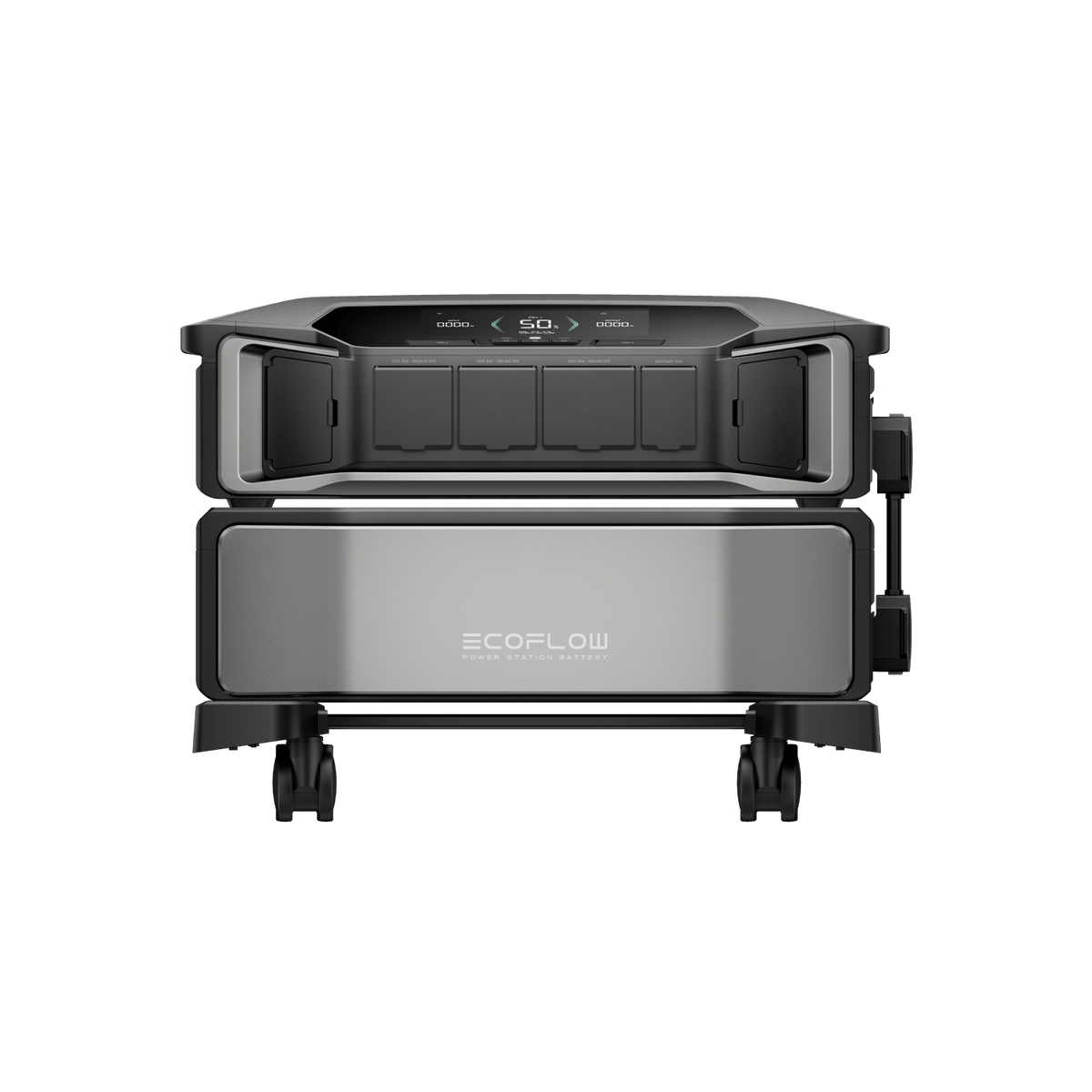
EcoFlow’s Delta Pro Ultra reframes backup power as consumer hardware rather than emergency equipment. Modular, expandable, and designed with showroom confidence, it makes energy resilience look like a premium lifestyle decision.
That framing is culturally revealing. Power storage is no longer being sold only as preparedness, but as autonomy. The battery moves from the garage to the center of the modern home, where infrastructure becomes visible, designed, and aspirational.
09. Robotic Presence
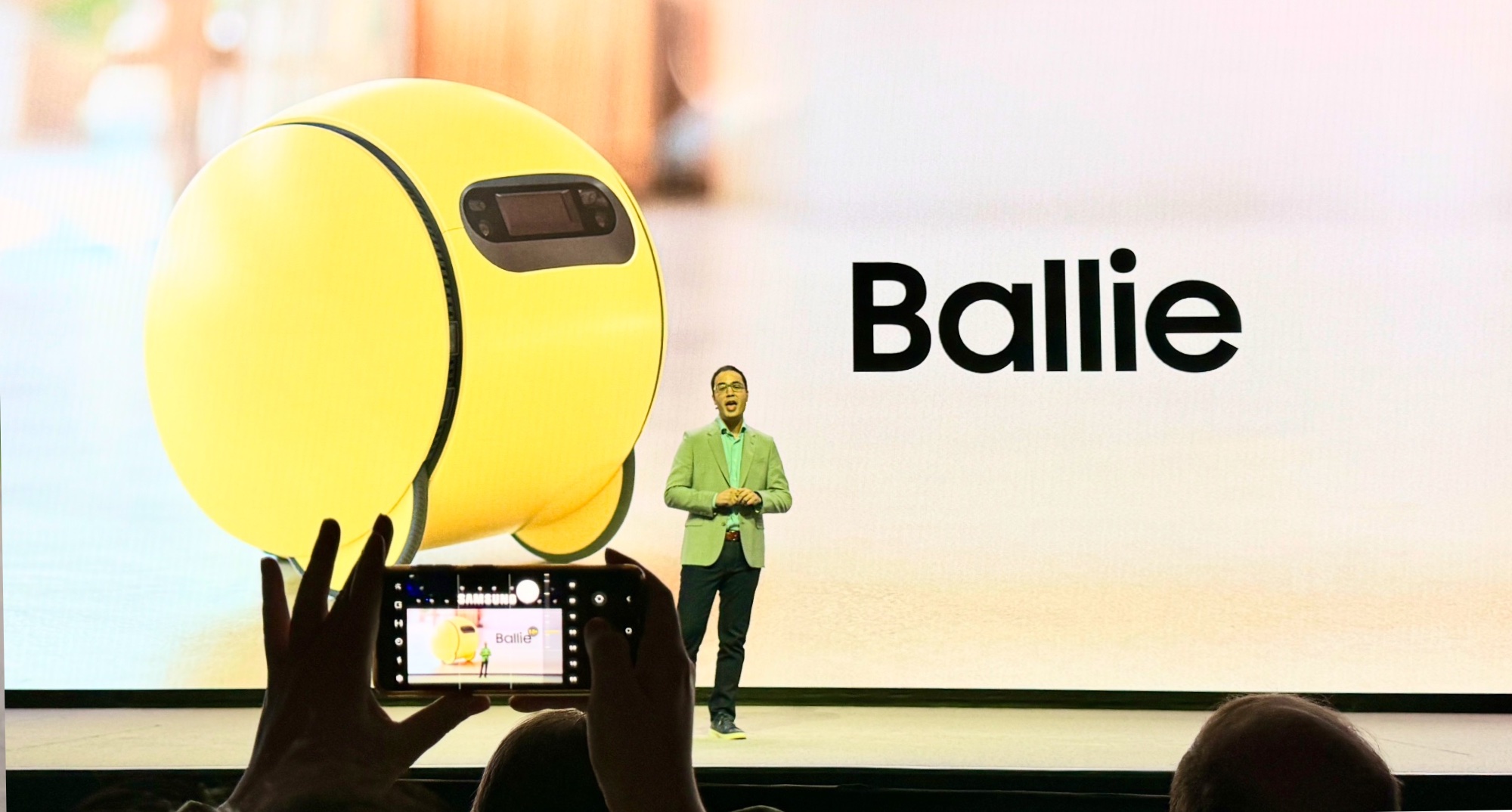
Samsung’s Ballie blends mobility, projection, and assistant logic into a rolling domestic companion. It is less a gadget than a moving interface — something that follows, observes, and surfaces information wherever it can be most useful.
That matters because it shifts ambient computing off the shelf and into motion. Ballie imagines the smart home not as a network of fixed screens and speakers, but as a presence that physically arrives where you are and changes the room around you.
10. Spatial Computing
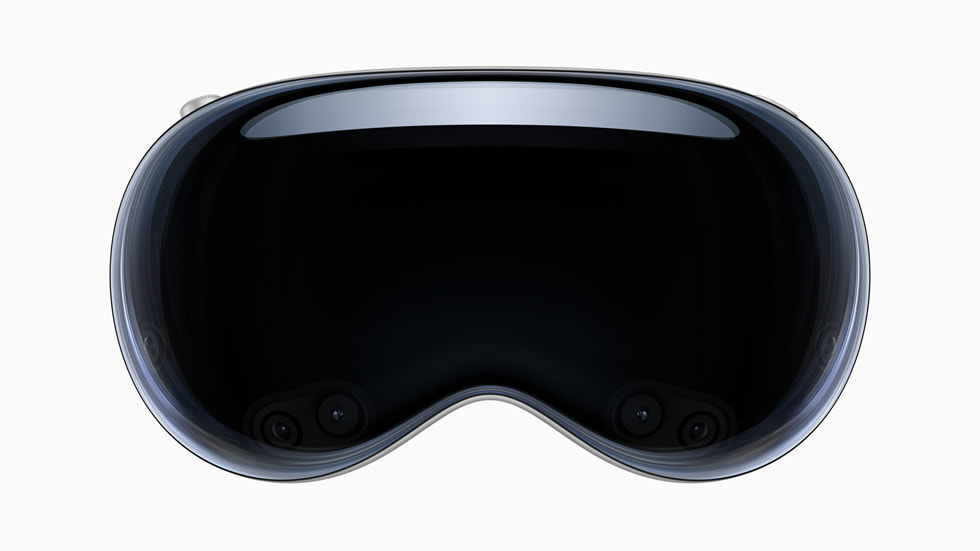
Apple Vision Pro treats the interface as volume instead of surface. Apps no longer live inside a monitor but in the user’s environment, scaled, layered, and positioned as if digital information were a material in the room.
That is why it still feels culturally important beyond sales or hype cycles. Vision Pro makes a serious case for computing as a spatial experience, suggesting that the next platform may not be a screen you hold, but a world you inhabit.



 Posts
Posts


0 Comments