
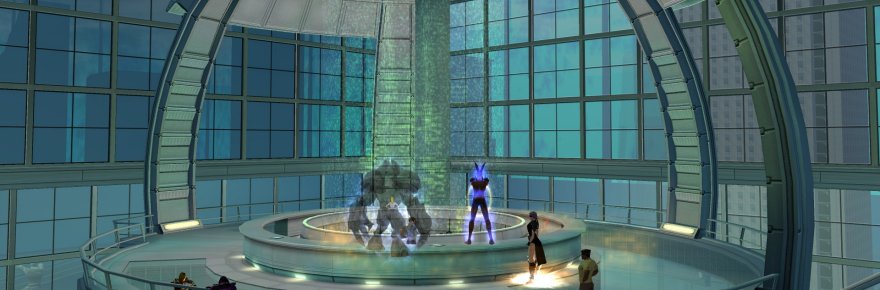
Headline: City of Heroes Homecoming Revives Fan Beloved Missions with Mission Architect Arcs
The Deep Dive
Full Coverage by announcing a bold initiative to reintroduce iconic, player-created mission architectures (MAs) into its revamped version of the classic MMORPG. This move, initially teased in developer diaries and now highlighted during their ongoing promotional push, signals a strategic embrace of the community’s most cherished content. The decision to spotlight fan-created MAs—ranging from nostalgic callbacks to original supervillain showdowns—underscores Homecoming’s commitment to preserving the game’s legacy while modernizing its accessibility.
The Mission Architect system, originally a cornerstone of City of Heroes’ sandbox gameplay, allowed players to design intricate missions with custom objectives, environments, and storylines. However, its decline in the original game’s later years left a void that Homecoming’s developers are now filling. By prioritizing these arcs, the team aims to balance structured storytelling with the open-ended creativity that defined the game’s heyday. This approach not only honors the contributions of veteran players but also provides a framework for new audiences to engage with the franchise’s rich lore.
Paradox Interactive, publisher of Homecoming, has framed the initiative as a “democratization of content creation,” emphasizing that tools for building and sharing missions will remain free for both players and amateur developers. This aligns with broader trends in gaming, where user-generated content (UGC) enhances longevity and player investment. For example, platforms like Roblox and Minecraft thrive on community-driven creativity, and Homecoming’s revival of its MA tools could position it as a benchmark for genre-defining sandbox experiences.
Internally, the development team has shared anecdotes about revisiting classic missions, such as the infamous “Prolific PvP Arena” MA, which combined competitive gameplay with narrative flair. These stories have sparked excitement among veterans, who recall how such arcs fostered collaboration and emergent storytelling. However, the team has also acknowledged challenges, including ensuring technical compatibility with modern servers and addressing concerns about content quality control. “We’re building a bridge between past innovation and future scalability,” said game director Mark “Merqys” Kraskouski in a recent dev blog post.
One of the most notable promoted MAs is “Shadow of the Past,” a hyper-detailed storyline written by a longtime player that reimagines the game’s original villain, Setback, as a tragic antihero. Its reception has been overwhelmingly positive, with players praising its emotional depth and seamless integration of gameplay mechanics. This success highlights how fan creators can rival—or even surpass—studio-produced content in terms of emotional resonance and replayability.
From a technical standpoint, Homecoming’s update includes enhanced MA tools, such as pre-built mission templates inspired by the game’s iconic zones (e.g., Paragon City’s downtown streets) and improved AI for dynamic NPC interactions. These features reduce the technical barrier for newcomers while allowing seasoned authors to push creative boundaries. The team has also partnered with modding communities to integrate external tools, further expanding the ecosystem.
The announcement follows a pattern of revival seen in other legacy titles, such as The Secret Life of Pets’s revival of its animated storytelling format. By leaning into nostalgia while empowering creators, Homecoming is not just preserving a game—it’s reinventing its identity as a living, breathing community project.
Industry Perspective
The return of Mission Architect arcs at City of Heroes Homecoming arrives at a pivotal moment for the MMO genre, where player-driven content is both a nostalgic touchstone and a forward-looking innovation. Games like Star Citizen and Heroes of Might and Magic are increasingly emphasizing crafting and emergent gameplay as ways to retain players in an era dominated by live-service models. By refocusing on community-created missions, Homecoming taps into this trend while differentiating itself through its niche appeal to older gamers and lore enthusiasts.
Critics, however, question whether this approach can sustain long-term engagement. The original City of Heroes struggled with player retention after the shutdown of its official servers in 2012, partly due to a lack of structured endgame content. While MA arcs address this by fostering ongoing creation, they also risk fragmenting the player base if mission quality varies widely. Comparisons to No Man’s Sky, which initially flopped due to technical issues but later embraced UGC and updates, suggest that Homecoming’s success will hinge on balancing accessibility with quality assurance.
Another angle is the competitive landscape. As Project Gorgon faces internal strife over moderation and server populations, Homecoming’s collaborative ethos could set it apart. By empowering players to shape their experiences, the game sidesteps the pitfalls of centralized control—a model that has fueled controversy in titles like EVE Online. This decentralized approach may also attract players disillusioned with corporate-owned IPs that sidelined community feedback, such as Destiny 2’s earlier seasons.
From a business perspective, homecoming’s strategy could inspire other legacy titles to revisit user-generated content. Paradox Interactive’s willingness to fund MA tool development—a significant investment given the resources required for moderation and technical support—signals confidence in the model. If executed well, it could create a self-sustaining cycle where players become ambassadors, attracting newcomers who then contribute their own arcs. This ecosystem-building aligns with current trends in gaming, where platforms like Roblox and Fortnite prioritize creator economies.
Yet, the industry must also consider the cultural implications of reviving niche titles. City of Heroes holds a hallowed place among older gamers, but younger audiences may struggle to connect with its 2000s-era design. Homecoming’s MA initiative might bridge this gap by encouraging veterans to create tutorials or beginner-friendly guides, fostering intergenerational engagement. However, it also risks alienating purists who view changes to the MA toolset as a departure from tradition.
The broader gaming media landscape is also worth noting. Outlets like MassivelyOP and MMORPG.com have historically covered City of Heroes’ revival with cautious optimism, recognizing its potential to reignite interest in the genre. Comparisons to EverQuest Classic and Runescape Old School suggest that nostalgia-driven revivals are no longer outliers but a viable strategy for studios seeking to capitalize on established IP loyalists.
Ultimately, Homecoming’s success will depend on its ability to balance reverence for the past with innovation for the future. By empowering mission architects while addressing modern technical and design challenges, the game could redefine what it means to preserve a legacy title in an era of rapid technological and cultural change.
Electric Observer Gaming | 2026


 Posts
Posts


0 Comments