
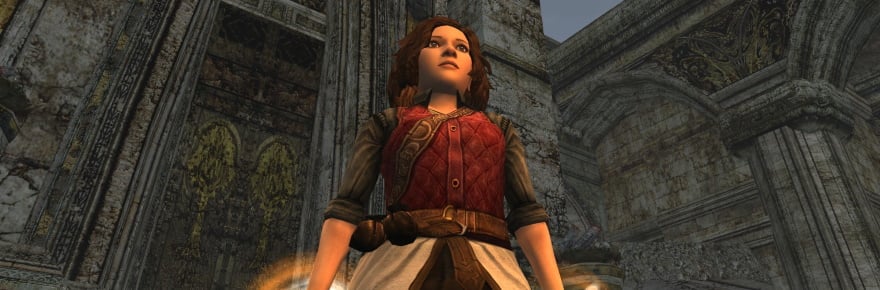
Para 1: The world of The Elder Scrolls Online (ESO) is constantly evolving, and the MMORPG landscape is a whirlwind of new releases and updates. But even amidst the excitement, veteran players of The Lord of the Rings Online (LOTRO) often feel a yearning for a touch more polish and consistency in the game’s class design. A recent article on MassivelyOP dives headfirst into just that sentiment, proposing a single, impactful change for each of LOTRO's core classes. The suggestions, ranging from tweaking damage profiles to refining abilities, offer a fascinating blueprint for how even seemingly small adjustments can significantly alter the gameplay experience. This isn’t about wholesale redesigns, but rather targeted refinements designed to address longstanding player feedback and create more balanced, engaging, and ultimately, satisfying combat systems. Full Coverage
The Deep Dive
The article highlights a common frustration among LOTRO players: the inherent strengths and weaknesses of the classes often feel oddly disparate. The article identifies issues related to damage output, survivability, and utility, presenting practical suggestions that directly address these pain points. For example, the suggestion for the Ranger involves tweaking their pet AI to better complement their combat style, allowing for more seamless integration into player strategies. Similarly, the changes proposed for the Wizard center on balancing their spellcasting rhythm and reducing the feel of randomness in some abilities. The Warden's class change addresses healing and defensive prowess, making them less reliant on RNG. The rogue class has a change allowing for more burst damage, while the warrior receives tweaks to its defenses.
One particularly insightful suggestion focuses on the Hunter, proposing a rework of their companion abilities to better align with the class's traditional role as a ranged damage dealer. This shift, according to the author, would improve the Hunter's sustained damage output and make them a more versatile class overall. Furthermore, the article doesn't shy away from the more controversial suggestions, such as a buff to the Necromancer, a class frequently criticized for its inconsistent damage output. The author argues that a more consistent damage profile would significantly enhance the Necromancer’s viability and allow players to embrace their unique playstyle without feeling perpetually underpowered.
Industry Perspective
While LOTRO itself may not be dominating the current MMORPG scene, its enduring player base and devoted community provide a valuable case study for developers. The success of LOTRO hinges on its rich lore, compelling world, and strong sense of community – aspects that are often overshadowed by the game's somewhat clunky combat system. Major MMORPG companies frequently receive feedback on class balance and ability design, and the article's suggestions highlight how these concerns can be constructively addressed. The emphasis on data-driven adjustments and player feedback demonstrates a commitment to continuous improvement, a practice vital for maintaining player retention and preventing burnout.
The potential impact of these seemingly minor tweaks extends far beyond the individual classes. A more balanced and refined combat system fosters a more enjoyable and engaging experience for all players, regardless of their chosen role. It also encourages experimentation with different builds and playstyles, ultimately enriching the overall gameplay experience. Moreover, these changes can address issues of class viability, ensuring that no single class feels overwhelmingly dominant or significantly underpowered. By focusing on these granular adjustments, developers can create a more dynamic and resilient gameplay system that continues to appeal to both veteran and new players. LOTRO's case shows that iteration, not revolution, is often the key to long-term success. The lessons learned from this approach could be invaluable for developers navigating the ever-evolving MMORPG landscape.
Additional points to consider regarding the changes:
- Community Impact: Changes to class balance often spark debate within the player community. The suggestions outlined in the article are designed to be relatively simple and focused, minimizing the potential for drastic disruption.
- Long-Term Viability: A robust class system will ensure a wider player base, which in turn supports the game's economy and long-term viability.
- Content Creation: More balanced classes often lead to more diverse and engaging content, allowing for a wider range of questlines, dungeons, and PvP scenarios.
Electric Observer Gaming | 2026


 Posts
Posts


0 Comments