
Gaming | Source: Pcgamer
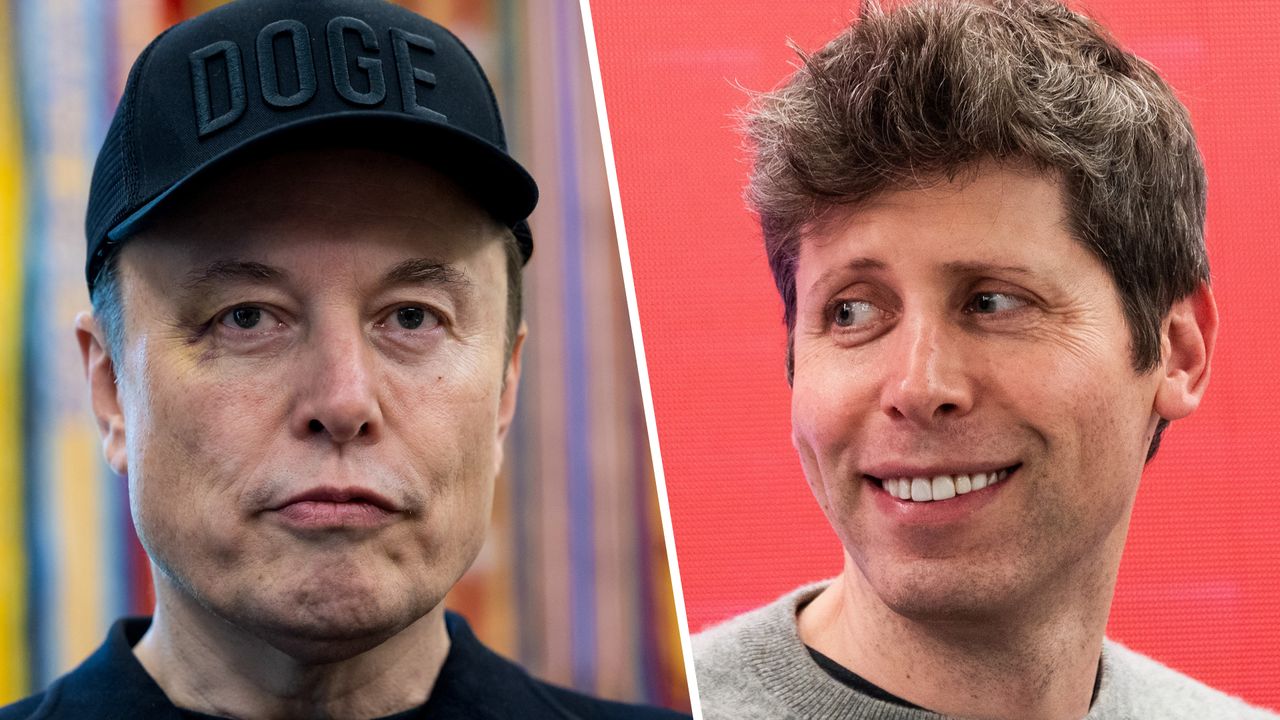
Took too long now your case is gone: Elon Musk loses trial against Sam Altman and OpenAI In a surprising turn of events, Elon Musk's lawsuit against Sam Altman and OpenAI has been dismissed due to the complaint being filed too late, marking a significant victory for the defendants in a case that has been closely watched by the tech industry, as a jury and judge have decided that Musk's complaint was not timely enough to count, a decision that is likely to have far-reaching implications for the future of artificial intelligence and the ongoing battle for dominance in the tech world.
The case, which was filed by Musk, centered around allegations that Altman and OpenAI had misappropriated trade secrets and other confidential information related to artificial intelligence technology, with Musk claiming that the defendants had used this information to develop their own AI models, including the highly popular ChatGPT, a claim that Altman and OpenAI vehemently denied, arguing that their technology was developed independently and without any input or influence from Musk or his companies.
However, in a dramatic twist, the jury and judge have decided that Musk's complaint was not timely enough to count, with the court ruling that the statute of limitations had expired, rendering Musk's lawsuit invalid, a decision that is likely to be seen as a major victory for Altman and OpenAI, who have been at the forefront of the AI revolution, and have been locked in a bitter battle with Musk, who has been trying to assert his dominance in the field.
The case has been closely watched by the tech industry, with many seeing it as a test of the boundaries of intellectual property law in the age of artificial intelligence, and the verdict is likely to have significant implications for the future of AI development, as companies and researchers navigate the complex and often murky world of AI-related intellectual property, and the decision is also likely to embolden other companies and researchers who are working on AI-related projects, and who may have been hesitant to pursue their work due to fears of being sued by Musk or other powerful players in the industry.
Musk, who is known for his aggressive and often unpredictable behavior, has been a vocal critic of Altman and OpenAI, and has accused them of stealing his ideas and technology, a claim that Altman and OpenAI have repeatedly denied, and the verdict is likely to be seen as a major setback for Musk, who has been trying to assert his dominance in the AI field, and has been investing heavily in his own AI-related projects, including the development of a rival AI model to ChatGPT.
The case has also highlighted the often contentious and competitive nature of the tech industry, where companies and individuals are often locked in bitter battles for dominance and control, and the verdict is likely to be seen as a significant blow to Musk's reputation and credibility, as he has been accused of trying to use the legal system to intimidate and bully his competitors, and the decision is also likely to raise questions about the role of the legal system in regulating the tech industry, and the need for clearer and more effective laws and regulations to govern the development and use of AI-related technology.
In the end, the verdict is a significant victory for Altman and OpenAI, who have been able to successfully defend themselves against Musk's lawsuit, and the decision is likely to have far-reaching implications for the future of artificial intelligence and the tech industry as a whole, as companies and researchers continue to navigate the complex and often murky world of AI-related intellectual property, and the ongoing battle for dominance in the tech world, and the case is a reminder that in the tech industry, timing is everything, and that even the most powerful players can fall victim to the statute of limitations, as Musk has learned the hard way.
The verdict is also likely to have significant implications for the development of AI-related technology, as companies and researchers are likely to be emboldened by the decision, and are likely to push the boundaries of what is possible with AI, without fear of being sued by Musk or other powerful players in the industry, and the decision is also likely to raise questions about the role of the legal system in regulating the tech industry, and the need for clearer and more effective laws and regulations to govern the development and use of AI-related technology, and the case is a reminder that the tech industry is a complex and often contentious place, where companies and individuals are often locked in bitter battles for dominance and control.
The case has also highlighted the importance of timing in the tech industry, where even the most powerful players can fall victim to the statute of limitations, as Musk has learned the hard way, and the verdict is a significant blow to Musk's reputation and credibility, as he has been accused of trying to use the legal system to intimidate and bully his competitors, and the decision is likely to have far-reaching implications for the future of artificial intelligence and the tech industry as a whole, as companies and researchers continue to navigate the complex and often murky world of AI-related intellectual property, and the ongoing battle for dominance in the tech world.


 Posts
Posts




0 Comments