
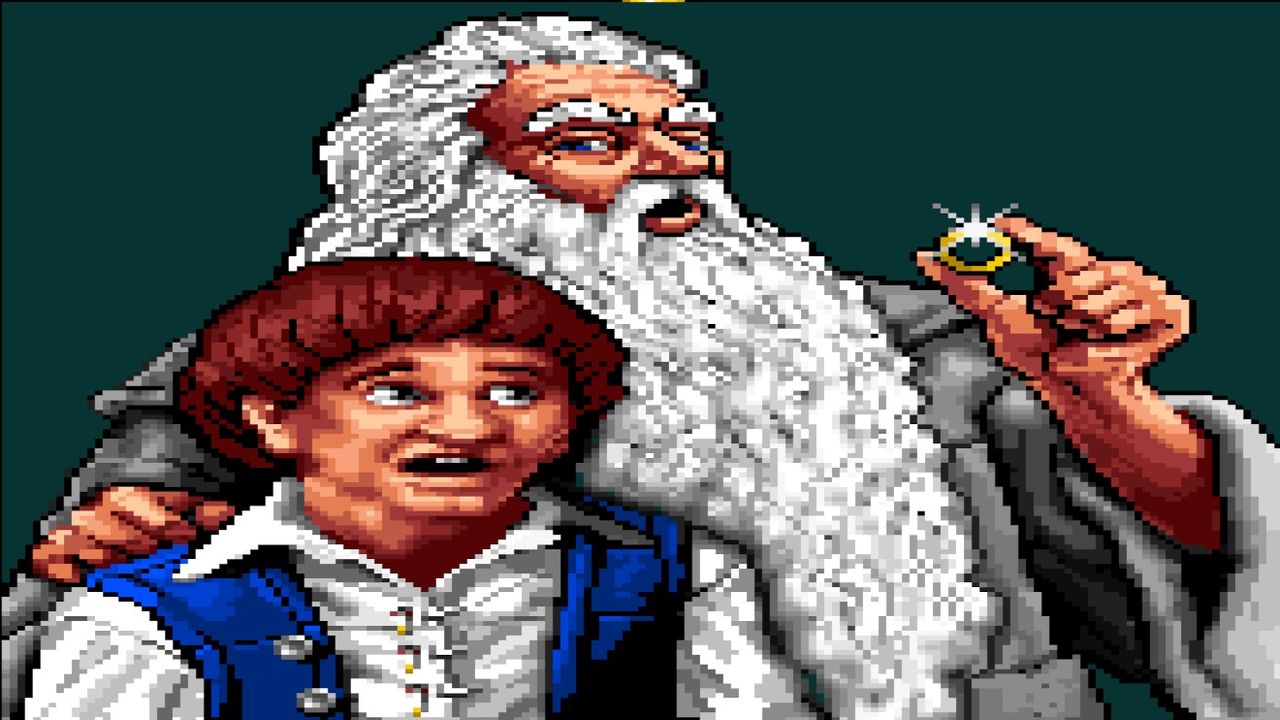
LEAD SOURCE: https://www.pcgamer.com/games/rpg/i-played-the-lord-of-the-rings-rpg-where-frodo-can-straight-up-die-and-the-game-just-keeps-on-going/
The Unconventional Lord of the Rings RPG: A New Perspective on Middle Earth
The recent playthrough of the Lord of the Rings RPG has shed new light on the possibilities of the game's narrative, where Frodo's demise does not necessarily signify the end of the journey. This unconventional approach to the classic tale has sparked interest among gamers and fans of the series, inviting a deeper exploration of the game's mechanics and its implications on the industry.
Overview
The Lord of the Rings RPG in question presents a fascinating departure from the traditional storytelling of the franchise. By allowing Frodo to perish without concluding the game, the developers have introduced a layer of complexity that alters the player's experience and engagement with the narrative. This bold move encourages players to explore different storylines and characters, adding a fresh layer of replayability to the game. The consequences of Frodo's death are far-reaching, affecting not only the storyline but also the overall gameplay and character development.
Technical Deep-Dive
From a technical standpoint, the implementation of this feature requires significant modifications to the game's core architecture. The developers would need to design a robust branching narrative system, capable of adapting to the player's choices and Frodo's status. Furthermore, the game's AI and NPC behavior would need to be adjusted to accommodate the new storyline, ensuring a seamless and immersive experience. Interestingly, the use of Behavior Trees, a type of hierarchical decision-making system, could be employed to create more realistic NPC interactions. Additionally, the game's save system would need to be optimized to handle the increased complexity of the narrative, potentially utilizing techniques such as incremental saving or asynchronous checkpointing.
In terms of historical context, the concept of dynamic storytelling in RPGs dates back to the early days of the genre. The 1985 game "The Bard's Tale" featured a similar branching narrative system, where the player's choices could significantly alter the game's outcome. Moreover, the 1999 game "Planescape: Torment" is often cited as a pioneering example of a game with a deeply personal and dynamic storyline. The technical challenges of implementing such a system have been addressed over the years, with the development of more advanced tools and techniques, such as modular storytelling and procedural content generation.
Industry Impact
The introduction of this unconventional gameplay mechanic has the potential to influence the broader RPG genre. By challenging traditional narrative structures, game developers may be inspired to experiment with new and innovative storytelling approaches. The success of this feature could also lead to a greater emphasis on player agency and choice, as gamers increasingly expect more dynamic and responsive game worlds. As the gaming industry continues to evolve, we can expect to see more games incorporating complex narrative systems, such as the one found in this Lord of the Rings RPG.
The implications of this gameplay mechanic extend beyond the realm of gaming, with potential applications in areas such as interactive storytelling, virtual reality, and artificial intelligence. For instance, the use of autonomous agents and machine learning algorithms could enable the creation of highly immersive and dynamic interactive stories, where the user's choices have a significant impact on the narrative. Furthermore, the study of player behavior and decision-making in games like this Lord of the Rings RPG could provide valuable insights into human psychology and behavior, with potential applications in fields such as education and social sciences. As the boundaries between games and other forms of media continue to blur, we can expect to see more innovative and unconventional approaches to storytelling and gameplay mechanics.
Electric Observer Global Intel | 2026


 Posts
Posts




0 Comments