
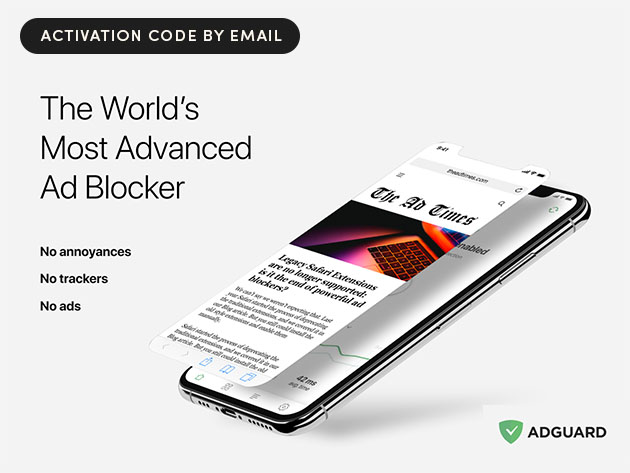
LEAD SOURCE: https://www.pcworld.com/article/3123083/stop-pop-ups-and-trackers-for-good-now-just-16.html
Block Unwanted Ads and Trackers with Ease
The internet can be a frustrating place, with pop-ups and trackers lurking around every corner. However, there are solutions available that can help you regain control over your online experience. In this guide, we will explore the best ways to stop pop-ups and trackers for good, all for an affordable price.
Understanding the Problem
Pop-ups and trackers can be more than just annoying; they can also pose a significant threat to your online security. Here are a few reasons why you should consider blocking them:
1. Security risks: Pop-ups can be used to spread malware and viruses, compromising your personal data and device security.
2. Privacy concerns: Trackers can be used to monitor your online activities, creating detailed profiles of your browsing habits and interests.
3. Performance issues: Too many pop-ups and trackers can slow down your browser and device, making it difficult to navigate the internet efficiently.
Solutions and Tools
Fortunately, there are many tools and solutions available that can help you block pop-ups and trackers. Here are a few options to consider:
1. Ad blockers: Ad blockers like uBlock Origin and AdBlock Plus can be installed as browser extensions, blocking pop-ups and trackers with ease.
2. VPN services: Virtual Private Networks (VPNs) can help encrypt your internet traffic, making it difficult for trackers to monitor your online activities.
3. Anti-tracking software: Software like Ghostery and Privacy Badger can help block trackers and protect your online privacy.
Expert Pro-Tips
To get the most out of your ad-blocking and tracker-blocking tools, here are a few expert pro-tips to keep in mind:
1. Use a combination of tools: Using a combination of ad blockers, VPNs, and anti-tracking software can provide comprehensive protection against pop-ups and trackers.
2. Regularly update your tools: Make sure to regularly update your ad-blocking and tracker-blocking tools to ensure you have the latest features and protection.
3. Monitor your browser settings: Keep an eye on your browser settings and adjust them as needed to ensure you are getting the best possible protection against pop-ups and trackers.
Historical Context
The issue of pop-ups and trackers is not a new one. In fact, it has been a problem for many years. Here are a few interesting historical facts:
1. The first pop-up ad: The first pop-up ad was launched in 1994 by a company called Tripod.com. It was a simple ad that promoted a web hosting service.
2. The rise of ad blockers: Ad blockers have been around since the early 2000s, but they gained popularity in the mid-2010s as concerns about online privacy and security grew.
3. The EU's General Data Protection Regulation (GDPR): In 2018, the European Union introduced the GDPR, a regulation that aimed to give individuals more control over their personal data and online activities. The GDPR has had a significant impact on the way companies handle online tracking and advertising.
Technical Details
From a technical perspective, pop-ups and trackers work by using a combination of JavaScript, cookies, and other web technologies. Here are a few unique technical facts:
1. The use of WebSockets: Some trackers use WebSockets to establish real-time communication with web servers, allowing them to monitor user activities in real-time.
2. The role of browser fingerprinting: Browser fingerprinting is a technique used by trackers to gather information about a user's browser and device, including the type of browser, operating system, and screen resolution.
3. The use of HTML5 LocalStorage: Some trackers use HTML5 LocalStorage to store tracking data on a user's device, allowing them to monitor user activities even when the user is not actively browsing the web.
Electric Observer Global Intel | 2026


 Posts
Posts




0 Comments