
Gaming | Source: Pcgamer
Riven Co-Creator Sparks Debate with AI-Generated Art, Defends Decision as a Tool for Creative Expression The recent release of the Riven vinyl soundtrack has been marred by controversy, as co-creator Robyn Miller's use of AI art has sparked a heated debate among fans and artists, with some questioning the role of artificial intelligence in the creative process and others defending it as a valuable tool for artistic expression.
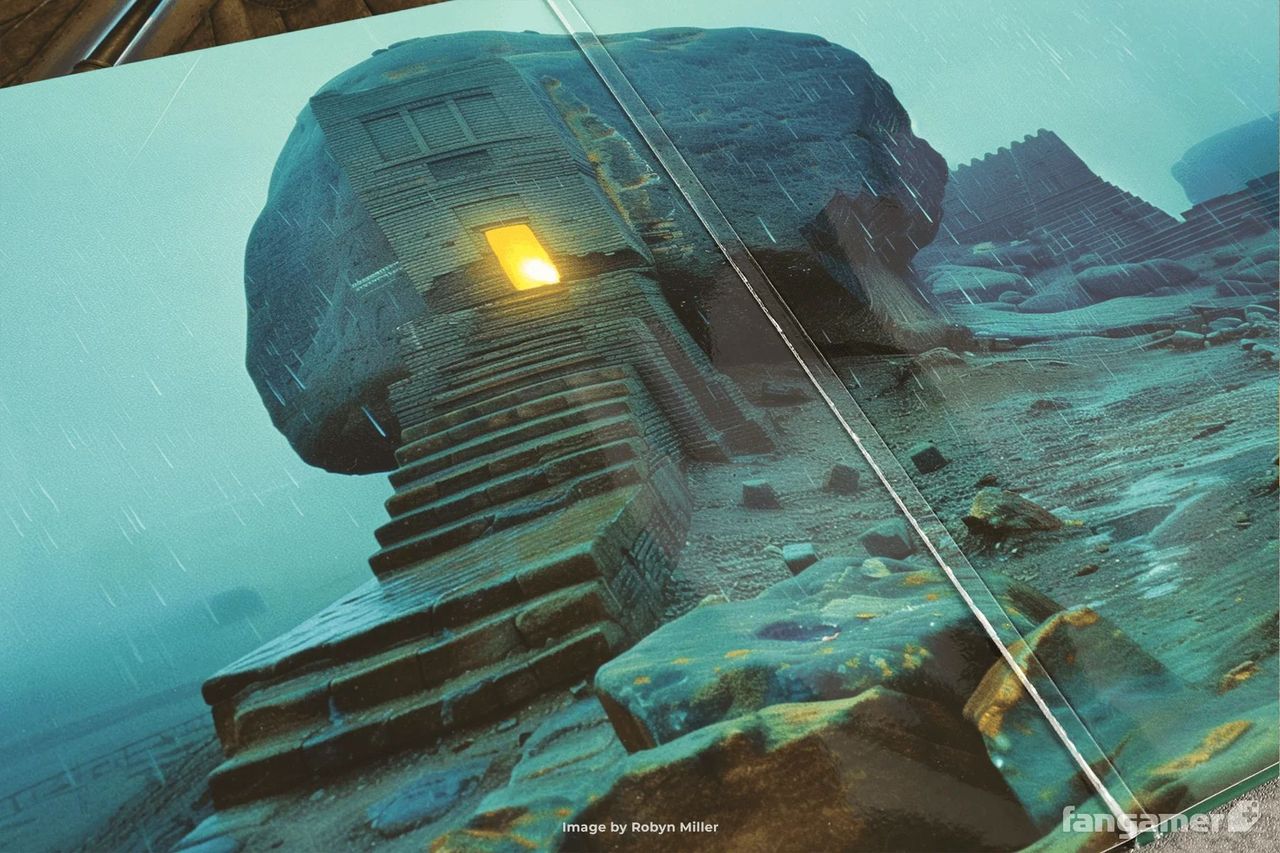
At the center of the controversy is an image of Age 234, a location in the classic puzzle game, which was created using AI by Miller and included in the soundtrack's gatefold. While some have praised the image as a unique and interesting interpretation of the game's world, others have criticized it as lacking the soul and character of traditional artwork. Miller has defended his decision to use AI art, arguing that it is simply a tool, like any other, that can be used to create something beautiful or something mediocre, depending on the artist's vision and skill.
Miller's comments have sparked a wider debate about the role of AI in art and creativity, with some arguing that it is a threat to human artists and others seeing it as a valuable tool that can augment and enhance the creative process. According to Miller, the key to creating something worthwhile with AI is to approach it with a clear idea of what you want to achieve, rather than simply relying on the technology to produce something interesting. As he puts it, "Any artist can take a brush and, without thinking, an artist can create slop," suggesting that the use of AI is not a guarantee of quality, but rather a means to an end.
The use of AI in art is not a new phenomenon, and it has been increasingly adopted by artists and creators in various fields, from music and visual art to writing and design. While some have raised concerns about the potential for AI to replace human artists, others see it as a way to explore new ideas and push the boundaries of what is possible. In the case of Miller's AI-generated image, it is clear that he has used the technology to create something that is both a tribute to the original game and a unique interpretation of its world.
The controversy surrounding Miller's use of AI art has also raised questions about the nature of creativity and what it means to be an artist. If an AI can generate an image that is indistinguishable from one created by a human, does that mean that the AI is truly creative, or is it simply a tool that is being used by a human artist to express their vision? These are complex questions that do not have easy answers, and they are likely to continue to be debated by artists, critics, and audiences in the years to come.
Ultimately, the use of AI in art is a reflection of the ongoing evolution of the creative process, and it is up to each individual artist to decide how they want to use this technology to express themselves. As Miller has demonstrated, AI can be a powerful tool for creating something new and interesting, but it is not a replacement for human imagination and creativity. By embracing AI as a tool, rather than seeing it as a threat, artists can unlock new possibilities and push the boundaries of what is possible.
The release of the Riven vinyl soundtrack may have been marked by controversy, but it has also sparked an important conversation about the role of AI in art and creativity. As the technology continues to evolve and improve, it will be interesting to see how artists and creators choose to use it to express themselves and push the boundaries of what is possible. For now, it is clear that AI is here to stay, and it is up to each individual to decide how they want to use it to create something beautiful, meaningful, and truly original.


 Posts
Posts




0 Comments