
Gaming | Source: Pcgamer
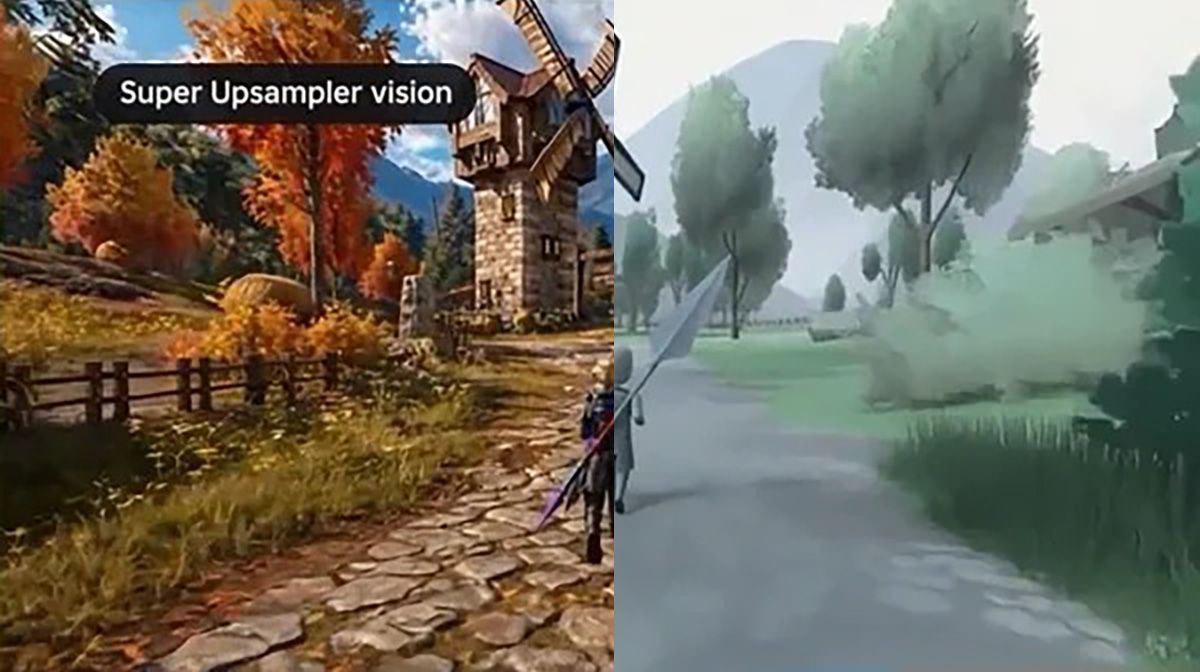
Roblox Pushes for Photorealism with AI, But Developers Are Skeptical Roblox's ambitious plan to utilize AI in making its games photorealistic has sparked a debate among its community of developers, with many questioning whether such a drastic change is truly desired by the platform's predominantly young user base.
The concept of photorealism in games is often associated with high-end, visually stunning experiences that aim to mimic the real world as closely as possible. However, Roblox, a platform known for its user-generated games, has built its success on a distinct aesthetic that is often more cartoonish and blocky. This style, while not photorealistic, has become an integral part of the platform's charm and appeal, especially among its younger audience. Games like "99 Nights in the Forest" have gained popularity not despite their unique, non-photorealistic visuals but because of them. The question then arises: do Roblox players really want or need photorealistic games?
The introduction of AI technology to enhance game visuals could potentially revolutionize the look and feel of Roblox games. AI can generate detailed textures, realistic lighting, and complex environments that could elevate the gaming experience. However, the developers who create content for the platform are not entirely convinced that this is the direction they should be heading. Their skepticism stems from a deep understanding of their audience and the type of experiences these players enjoy. As one developer noted, "I don't think that your average player right now wants to do that." This sentiment reflects a broader concern that shifting towards photorealism could alienate the existing user base, who have grown to love the platform for its current aesthetic.
Moreover, the appeal of Roblox lies not just in its visuals but in its creativity and accessibility. The platform allows users to build and share their own games, fostering a sense of community and creativity that is hard to find elsewhere. The blocky, less realistic graphics of Roblox games are part of this creative freedom, allowing developers to focus on gameplay and imagination rather than graphical fidelity. By pushing for photorealism, there's a risk of complicating the game development process, potentially discouraging some of the younger or less experienced developers who are the backbone of the Roblox community.
Another aspect to consider is the technological requirements for running photorealistic games. Such games demand more powerful hardware to ensure smooth gameplay, which could exclude a significant portion of Roblox's user base who may not have access to high-end computers or devices. This move could inadvertently create a divide within the community, where only those with the latest technology can fully enjoy the new, visually enhanced games, leaving others behind.
In conclusion, while the idea of incorporating AI to make Roblox games photorealistic is intriguing and could potentially open up new creative avenues, it's crucial to consider the desires and needs of the platform's current user base. The essence of Roblox's success lies in its unique blend of creativity, community, and accessibility, elements that are deeply intertwined with its visual style. Before embarking on a path towards photorealism, it's essential for Roblox to engage with its community and developers to understand what they truly want from the platform. By doing so, Roblox can ensure that any future developments align with the needs and desires of its users, preserving the spirit of creativity and inclusivity that has made the platform so beloved.


 Posts
Posts




0 Comments